
Let me confess: I know all about the benefits of regular exercise. As a psychologist and sleep expert, I understand the research on how movement improves everything from cardiovascular health and cognitive function to emotional regulation. I can recite the studies on how exercise enhances sleep quality, boosts immunity, and extends lifespan.
And yet, my workout clothes often remain folded in the drawer for days. My yoga mat gathers dust in the corner. My good intentions to hit the gym evaporate as client appointments run long, kids’ activities fall through, or deadlines loom.
Sound familiar?
If you’re like me, constantly placing exercise at the bottom of your to-do list (only to run out of time and energy before you get there), I have liberating news: we’ve been thinking about exercise all wrong.
Rethinking Our Exercise Mindset: Why Short Exercise Bursts Matter
We’ve inherited a peculiar cultural belief about exercise: that it only “counts” if it happens in 30-60 minute blocks, preferably at a gym, wearing special clothes, and working up a significant sweat. Anything less feels like a failure or not worth the effort.
This all-or-nothing thinking is the greatest obstacle to consistent physical activity. Because when life gets busy (and when isn’t it?), those precious hour-long blocks of time are the first to disappear.
Movement snacking1 is the newest trend, making waves in the fitness and wellness world. Unlike traditional workouts that demand sizable chunks of your day, movement snacking emphasizes the power of short, frequent bursts of activity. It’s like grazing on exercise instead of feasting on a full-blown workout, perfectly designed for those chained to a desk or stuck in a home office.
How does movement snacking compare to traditional workouts?
- Traditional workouts: Require dedicated time blocks, special clothing, and often specific equipment.
- Movement snacking: Fits into natural breaks in your day, requires no special gear, and can be done almost anywhere.
- Research findings2: Small, consistent movements may offer more benefits than a single exercise session, especially when breaking up long hours of sitting.
- Additional benefits: Movement snacking helps manage stress levels, improves mood, and enhances daily productivity.
By building short routines into daily activities, movement snacking creates a seamless bridge between exercise and function, turning movement into something attainable rather than an added chore.
What Exactly Is Movement Snacking? A Science-Backed Micro Workout Approach
As nutritionists now recognize that several small meals can effectively fuel your body, exercise scientists are discovering that brief “snacks” of movement distributed throughout the day provide remarkable health benefits.
Key characteristics of movement snacking include:
- Duration: Brief intervals lasting anywhere from 1 to 10 minutes.
- Frequency: Multiple times throughout the day, ideally breaking up periods of sitting.
- Intensity: Can vary from gentle stretching to moderate cardio bursts.
- Accessibility: No special equipment or location is required.
- Integration: Fits naturally into existing daily routines and transitions.
Research3 shows that even just 20 seconds of stair climbing, performed a few times a day, can significantly improve cardiorespiratory fitness over time. Other studies4 confirm that the cumulative effect of these mini-movement sessions can match or even exceed the benefits of longer, dedicated workouts.
The Science Behind Fragmented Exercise
Our bodies were never designed for the prolonged sitting that dominates modern life. For most of human history, movement was naturally integrated into daily activities — hunting, gathering, farming, walking to destinations, or performing manual household tasks.
The concept of setting aside special time to exercise is relatively recent. Our ancestors would have been baffled by the idea of sitting all day and running on a stationary machine that goes nowhere!
From a physiological perspective, frequent movement throughout the day better aligns with our evolutionary biology than the modern pattern of long sedentary periods punctuated by occasional intense exercise.
Why Short Bursts of Exercise Work: Breaking the Sedentary Cycle
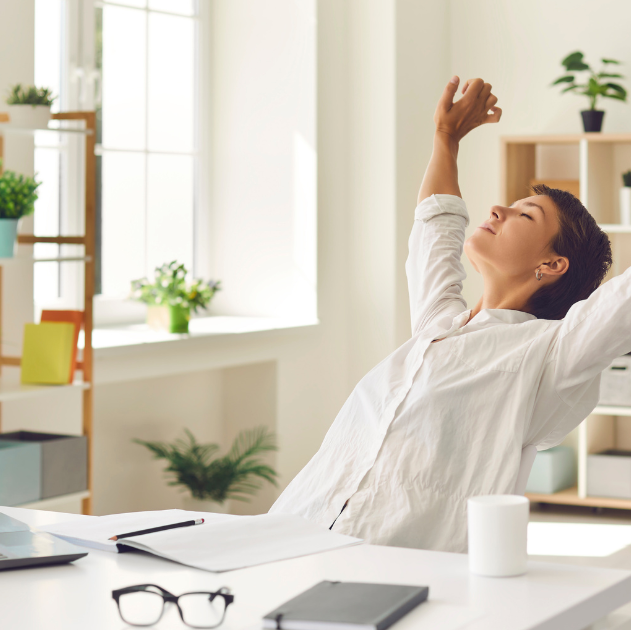
Sitting for long stretches isn’t great news for our metabolism. When we spend most of our day planted on a chair, our bodies hit a metabolic lull, slowing down processes that keep us healthy and energized. Understanding how to break up sedentary time is crucial for multiple aspects of health:
- Minimum effective dose: Even small amounts of movement can have powerful effects. Think of it like a prescription for health, where brief activity “doses” can kickstart metabolism, improve blood flow, and help balance blood sugar levels.
- Frequency vs. duration: While longer workouts have their benefits, dividing movement into smaller segments throughout the day brings unique advantages, especially for those with packed schedules.
- Breaking the sedentary cycle: Modern lifestyles often involve being completely sedentary for extended periods. Creating regular movement interruptions can make a remarkable difference in how we feel and function.
Most importantly, movement snacking feels sustainable in a way that traditional exercise regimens often don’t.
Practical Movement Snack Strategies for Busy People: Quick Workouts You Can Fit Anywhere
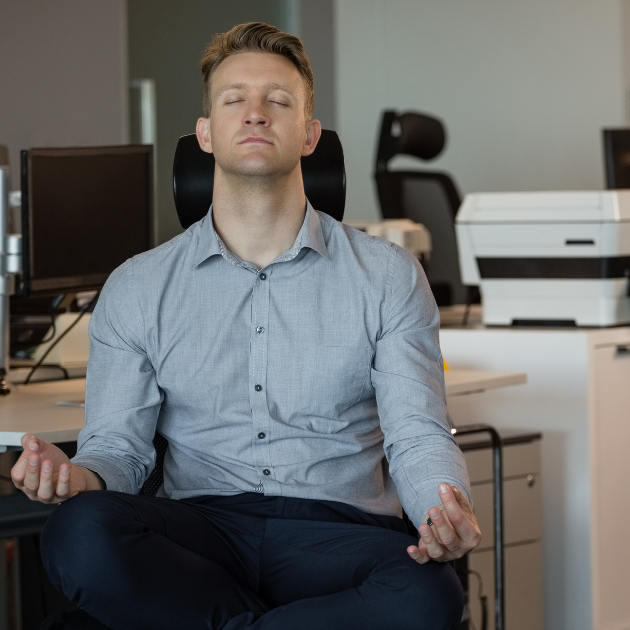
The beauty of movement snacking lies in its flexibility. You can adapt it to your environment, preferences, schedule, and fitness level.
Morning Movement Appetizers
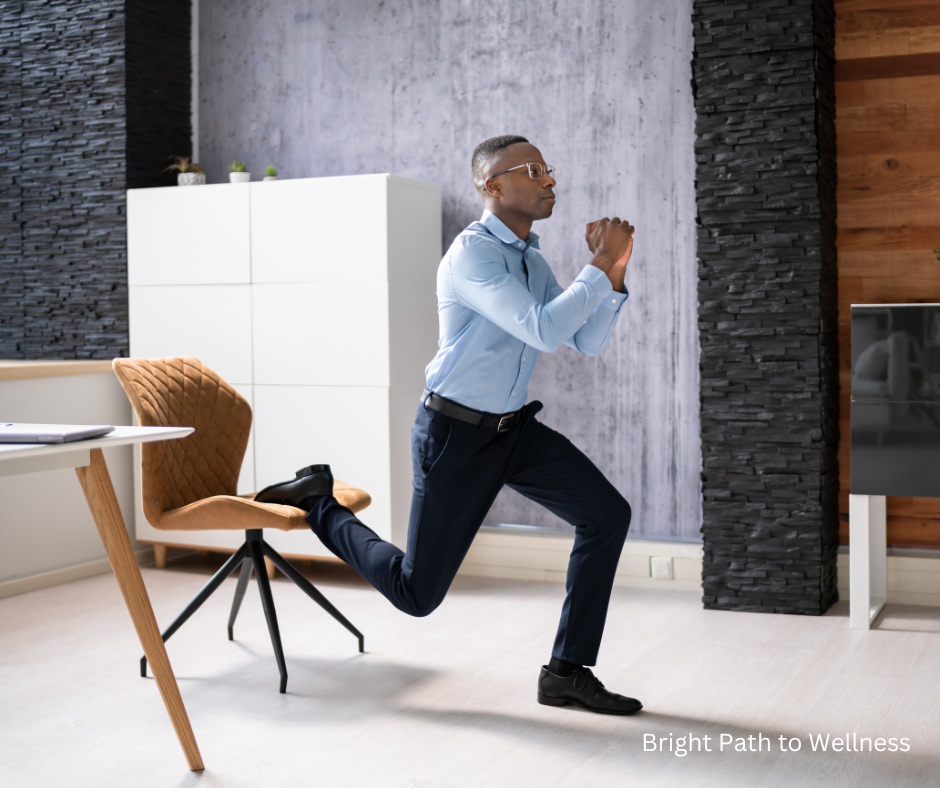
- Coffee Brew Squats: While waiting for your morning coffee to brew or heat the water for the tea, do 10-15 air squats or wall sits. I keep a sticky note on my kettle as a reminder.
- Toothbrush Balance: Practice standing on one leg and then the other while brushing your teeth. This two-minute activity strengthens your stabilizing muscles and improves balance.
- Bed-to-Floor Flow: Before even getting out of bed, take 60 seconds to stretch your body in whatever way feels good — reaching arms overhead, gentle spinal twists, or bringing knees to chest.
Workday Micro Workouts
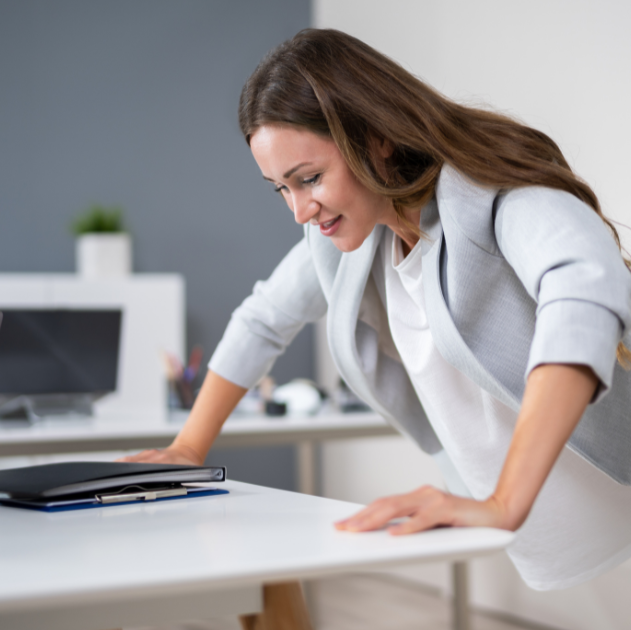
- Meeting Prep Pushups: Do 5-10 wall or desk pushups before virtual meetings. This wakes up your upper body and raises energy levels before sitting again.
- Call-Walking: Make it a policy to stand and pace during phone calls. A 10-minute call becomes a 10-minute movement snack!
- Desk Exercises: Even in busy offices, micro-exercises can fit right in. Try chair squats (stand up and sit down without using hands), desk push-ups, or simple stretches that don’t require leaving your seat.
- Hourly Reset: Set a timer to stand up once per hour. Do 10 jumping jacks, a few yoga poses, or simply march in place for 30 seconds. Even this brief interruption to sitting provides benefits.
Evening Movement Treats
- Commercial Challenge: During TV commercial breaks, do a quick movement burst. When watching streaming services, challenge yourself to a one-minute activity between episodes.
- Kitchen Counter Stretches: While waiting for food to cook, use your kitchen counter for support to do simple stretches or standing exercises.
- Family Movement Moments: With my kids, we’ve created a “dance before dinner” tradition, just 2-3 minutes of silly dancing to signal the transition to evening family time.
- Home Freedom Moves: At home, you can incorporate a broader range of movements, dance around, or stretch during a TV show.
On-the-Go Snacks
- Waiting Time Workouts: Stuck in a line? Try subtle core contractions or shift your weight from leg to leg for balance.
- Transit Stop Activity: Waiting for a bus or train? Do calf raises or take a brief walk around the stop area?
- Commute Stretches: If you’re a passenger, use travel time for seated stretches and mobility work.
Creating Your Movement Menu
The most sustainable approach is one tailored to your life. Consider your daily routine and ask:
- Where do I regularly have small pockets of waiting time?
- What natural transition points exist in my day?
- What types of movement do I genuinely enjoy?
- What environmental cues can remind me to move?
Start small, with just two planned movement snacks daily, and build gradually. The goal isn’t perfection but consistency. Even on my busiest days, I can almost always find a few one-minute windows for movement.
How to Build a Sustainable Movement Snacking Habit
Creating a habit system that supports consistent movement snacking helps you stay active without adding stress to your day. Here are strategies to make movement snacking stick:
- Environmental triggers: Pair mini activities with common environmental cues. For instance, whenever you check emails or receive a text message, use it as a prompt to fit in a quick stretch or a few squats.
- Technology assistance: Leverage fitness apps and smartwatches that nudge you with movement reminders. These digital prompts serve as a personal trainer on your wrist, helping create consistency in your movement habits.
- Progressive challenges: Keep things fresh and engaging by gradually increasing intensity or adding new movements. Small adjustments prevent plateaus and maintain motivation over time.
- Complementary habits: Combine movement with other healthy practices like hydration, breathing exercises, or mindfulness. This integration transforms movement from an isolated activity into part of a holistic wellness routine.
- Personalized approach: As one occupational physiotherapist shared with me, keeping movement varied and matched to your unique capabilities is crucial. Whether you’re just starting out or looking to enhance your routine, the key is making the process enjoyable and sustainable.
Benefits for Remote Workers
Remote workers, in particular, can benefit from movement snacking:
- Stress management: Endless video calls and project deadlines take a mental and physical toll. Brief movement breaks serve as natural stress relievers throughout the workday.
- Burnout prevention: Regular physical activity helps maintain energy levels and prevent the exhaustion that often comes with remote work.
- Improved focus: Short movement breaks can reset attention and enhance concentration for the next work block.
- Physical comfort: Changing positions and engaging different muscle groups helps prevent the stiffness and discomfort from prolonged sitting at a home desk.
The Compound Effect of Tiny Fitness Habits
The compound effect of these seemingly insignificant actions makes movement snacking so powerful. Just as small financial investments grow over time through compound interest, tiny investments in movement accumulate into significant health benefits.
Consider the math:
- A one-minute movement snack might burn 5-10 calories and seem trivial in isolation.
- Multiply by 10 snacks daily = 50-100 calories
- Over a month = 1,500-3,000 calories burned (roughly equivalent to 6 traditional workouts)
- Plus, all the non-caloric benefits: improved mood, reduced stiffness, enhanced focus, better blood sugar regulation
And here’s the intriguing part: many people who begin with movement snacking naturally progress to enjoying longer movement sessions as well. Something about these micro-doses of activity seems to rekindle the intrinsic joy of movement that many of us have lost.
A Permission Slip for Imperfection
The greatest gift of the movement snacking approach is the liberation from exercise perfectionism. It acknowledges the reality of our complex lives while still honoring our bodies’ need for movement.
It’s a practical approach for imperfect humans living in an imperfect world. And speaking as someone whose exercise gear has spent far too much time unworn, that’s exactly the approach we need.
The benefits of regular exercise are undeniable, from disease prevention to mood enhancement to cognitive sharpness. Movement snacking makes those benefits accessible even to those who struggle to prioritize traditional exercise routines.
So the next time you find yourself waiting for your microwave to beep or your computer to update, consider it an invitation to move. Your body and mind will thank you for these small but mighty investments in your health.
Want to make movement snacking a daily habit? Download my free Movement Snacking Planner to track your progress, build consistency, and make movement an effortless part of your routine.
About the Author
Carla Picolli is a psychologist, sleep expert, author, and mental health advocate. With over two decades of experience in mental health and wellness, Carla helps individuals build sustainable habits for a healthier, happier life.
References
1. https://www.sciencedirect.com/science/article/pii/S2666337624000283
2. https://pmc.ncbi.nlm.nih.gov/articles/PMC8628304/
3. https://pmc.ncbi.nlm.nih.gov/articles/PMC7921461/
4. https://www.healthline.com/health/fitness/fit-it-in-mini-workouts
This article really reframes exercise in a way that feels both practical and inspiring. It’s refreshing to see the idea of “movement snacking” as a solution that acknowledges the reality of our busy lives. Rather than stressing over finding an hour for a gym session, it highlights how even brief bursts of activity—like doing a set of squats while waiting for your coffee or a quick stretch between meetings—can make a meaningful difference in our overall health. I especially appreciate the way it connects these micro-workouts to benefits like improved mood, reduced stress, and better focus. It makes the whole concept of staying active feel accessible and sustainable, even for those of us juggling remote work or hectic schedules. I will say this perspective truly transforms exercise from a rigid obligation into a series of small, empowering choices we can integrate into our day.
I’m so glad the “movement snacking” idea resonated with you, Dan! It really is a game-changer for those juggling busy schedules. Shifting the mindset from exercise as a rigid task to something flexible and empowering makes staying active feel much more sustainable.
I love the concept of movement snacking! It’s such a refreshing way to stay active without the pressure of long workouts. I’ve started adding quick dance breaks and bodyweight exercises between meetings, and it’s made such a difference in my energy levels. Thanks for sharing these benefits—definitely bookmarking this for inspiration!
I’m so glad the concept of movement snacking resonated with you, Sophie! It’s amazing how just a few intentional bursts of movement, like dance breaks or bodyweight exercises, can make a big difference in your energy and mood, especially on busy days. I love that you’re already putting it into practice! Thanks for your kind words!
A compelling post, Carla. It all sounds so easy the way you describe movement snacking and, I suppose in reality it is! The beauty of your content is that improved wellness can indeed be so simply achieved–and all without drama or over-exertion. As you point out, effective movement snacking really does come down to creating a habit system and investing into it a measure of determination not just to make it sustainable, but also make it varied and fun!
I’m fascinated to read about the “dance before dinner” routine you’ve created with your kids. Hope that tradition keeps right on going as the kids grow up and they do the same thing with their own families.
Movement snacking–so many benefits, so little time (is required).
Thank you so much for your kind words, Nigel! You’ve captured it perfectly: it’s not about overexertion or complexity but about building small, joyful habits into our daily lives.
I love that the “dance before dinner” tradition stood out to you. It’s such a fun way to bond as a family and sneak in movement without it feeling like a chore. I truly hope it’s something my kids carry with them and share with their own families one day, too.