
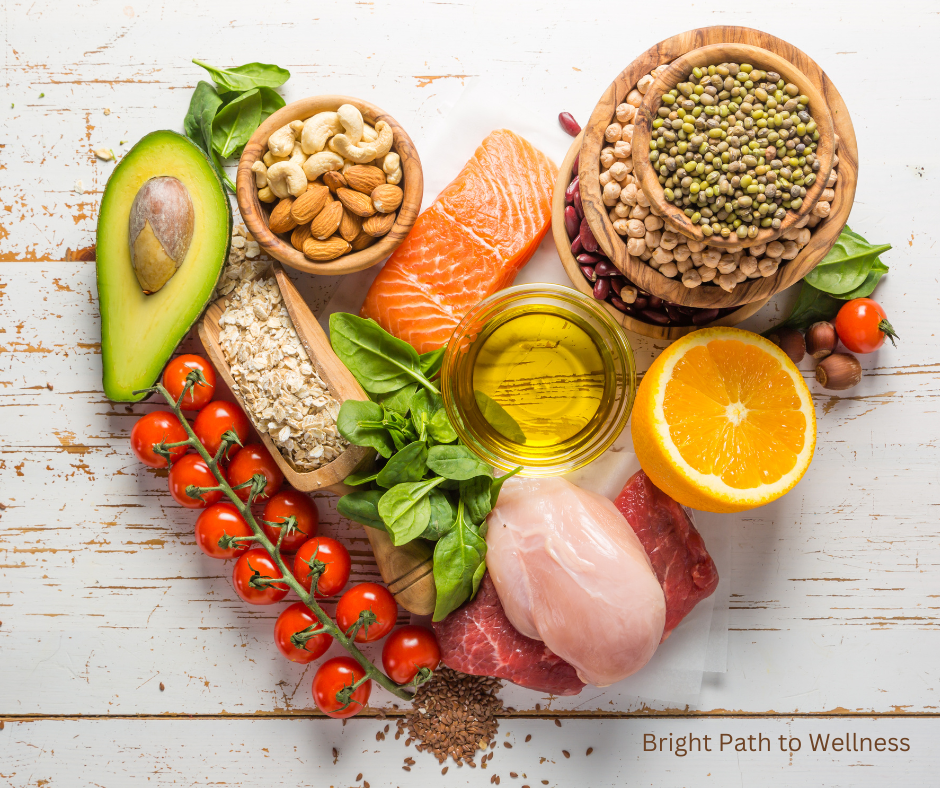
The gut plays a crucial role in overall health, influencing digestion, immunity, mental health, and sleep quality. The gut microbiome, home to trillions of bacteria, communicates with the brain and other organs, affecting everything from mood to energy levels.
Emerging research1 highlights the gut-brain axis, a bidirectional link between gut health and mental well-being. An imbalanced gut microbiome can contribute to inflammation, poor digestion, anxiety, and disrupted sleep. This article explores how gut health influences well-being and provides practical ways to support a balanced gut microbiome for mental health and sleep improvement in daily life.
The Gut Microbiome and Its Role in Health

The human gut contains trillions of microorganisms collectively known as the gut microbiota. These microbes help digest food, regulate the immune system, synthesize essential nutrients, and maintain overall health.
How a Balanced Gut Microbiota Supports Well-Being
- Stronger Immunity: A diverse microbiota protects against infections and reduces inflammation.
- Efficient Nutrient Absorption: Gut bacteria aid in the breakdown and assimilation of vitamins and minerals.
- Lower Risk of Chronic Conditions: A well-balanced microbiome is linked to a reduced risk of obesity, inflammatory diseases, and metabolic disorders.
- Improved Mood and Cognitive Function: The microbiota influences neurotransmitter production, affecting mental clarity and emotional health.
Practical Steps to Support a Healthy Gut Microbiome
- Eat a Diverse Diet: Whole grains, colorful vegetables, and fiber-rich foods nourish gut bacteria.
- Consume Fermented Foods: Yogurt, kefir, kimchi, and sauerkraut introduce beneficial probiotics.
- Stay Hydrated: Drinking enough water supports digestion and microbiome health.
- Limit Processed Foods and Artificial Sweeteners: These can disrupt gut bacteria balance.
The Gut-Brain Axis and Mental Health

The gut and brain communicate via the gut-brain axis, a two-way signaling pathway involving the nervous system, immune system, and gut microbiota. Over 90% of serotonin2, the neurotransmitter that regulates mood, is produced in the gut.
How Gut Health Affects Mental Well-Being
- Anxiety and Depression: Imbalances in gut bacteria are linked to increased stress and mood disorders.
- Cognitive Function: A healthy gut microbiome supports memory, focus, and clarity.
- Neurotransmitter Production: Gut bacteria influence serotonin and dopamine levels, directly impacting emotional health.
Ways to Improve Gut Health for Better Mental Well-Being
- Prioritize Prebiotic Foods: Garlic, onions, bananas, and asparagus feed beneficial gut bacteria.
- Reduce Stress: Mindfulness, meditation, and relaxation techniques help regulate gut-brain interactions.
- Get Regular Exercise: Physical activity supports microbiome diversity and reduces stress-related gut inflammation.
The Impact of Gut Health on Sleep Quality
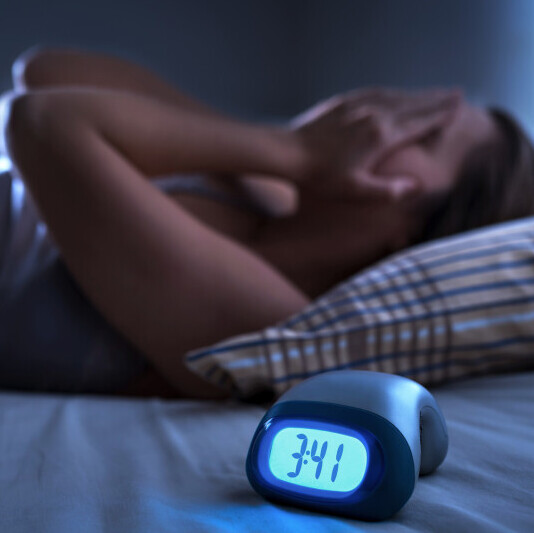
Gut health and sleep are closely linked3, with the gut microbiota playing a role in melatonin production, circadian rhythm regulation, and inflammation control. For those struggling with poor sleep due to gut health issues, improving digestion can positively impact sleep quality.
How Leaky Gut Disrupts Sleep
Leaky gut syndrome occurs when the intestinal lining becomes permeable, allowing toxins and bacteria to enter the bloodstream. This triggers systemic inflammation, disrupting sleep quality and increasing nighttime wakefulness.
- Increased Cortisol Levels: Chronic inflammation raises stress hormones, making it harder to fall asleep.
- Disrupted Melatonin Production: A poorly functioning gut reduces serotonin levels, affecting melatonin synthesis.
- Sleep Disorders and Fatigue: Studies show that gut dysbiosis is associated with insomnia and restless sleep patterns.
Practical Ways to Heal the Gut for Better Sleep
- Consume Anti-Inflammatory Foods: Turmeric, ginger, and leafy greens help reduce gut-related inflammation.
- Increase Collagen and Bone Broth Intake: These support gut lining repair and reduce permeability.
- Avoid Late-Night Caffeine and Alcohol: Both can irritate the gut lining and disrupt melatonin production.
- Maintain a Regular Sleep Schedule: Going to bed at the same time each night helps regulate the gut’s circadian rhythm.
Everyday Practices for Gut and Overall Health
Gut health influences digestion, immune function, metabolism, and mental health. Simple, sustainable habits can improve well-being significantly.
Daily Habits to Support Gut Health
- Eat Whole, Fiber-Rich Foods: A diet rich in vegetables, legumes, and whole grains nourishes gut bacteria.
- Exercise Regularly: Movement promotes a balanced microbiome and reduces stress.
- Limit Processed Foods and Excessive Sugar: These can lead to gut imbalances and inflammation.
- Stay Hydrated: Water supports digestion and nutrient absorption.
Gut health is central to overall well-being, influencing focus, immune function, and sleep quality. Individuals can improve their physical and emotional health by prioritizing gut-friendly habits, reducing inflammation, and enhancing digestive function.
If persistent digestive issues are affecting your well-being, consulting a healthcare professional can provide personalized strategies for gut restoration.
Assess Your Gut Health
Understanding your current gut health status is the first step toward improvement. I have created a comprehensive self-assessment tool to help you identify potential issues and determine appropriate next steps.
Download our Gut Health Self-Assessment Tool to:
- Evaluate physical symptoms related to gut function
- Assess dietary and lifestyle factors affecting your microbiome
- Recognize mind-body connections influenced by gut health
- Receive personalized recommendations based on your results
This assessment takes approximately 5 minutes to complete and provides immediate insights into your gut health status.
About the Author
Carla Picolli is a psychologist, sleep expert, author, and mental health advocate. With over two decades of experience in mental health and wellness, Carla helps individuals build sustainable habits for a healthier, happier life.
*This article is for informational purposes only and does not constitute medical advice. If you have concerns about your gut health, mental well-being, or sleep, please consult a healthcare professional or a registered dietitian for personalized guidance.
The discussion on how gut health influences our overall well-being really sparked my curiosity. It made me wonder about the specific dietary changes or lifestyle practices that can make the most impact on balancing our gut microbiome. Could you share more about how different probiotic strains or fermented foods might target issues like stress or anxiety? Also, what are some practical tips for tracking changes in gut health over time?
I love that this sparked your curiosity, Slavisa! Different probiotic strains and fermented foods can support gut balance in unique ways, for example, Lactobacillus rhamnosus has been linked to reduced stress and anxiety, while Bifidobacterium longum may help with mood regulation. Fermented foods like yogurt, kefir, kimchi, and sauerkraut naturally support gut diversity and can positively influence the gut-brain axis.
To track gut health over time, you can keep a food and symptom journal to notice patterns between your diet and how you feel, physically and mentally. Paying attention to energy levels, digestion, sleep, and mood can offer valuable insights.
Your post is informative and well-structured, highlighting the critical connection between gut health and overall well-being. You effectively break down complex topics like the gut-brain axis, the microbiome’s role in immunity, and the impact on mental health and sleep. The practical tips are particularly valuable for readers looking to make tangible improvements in their daily lives.
One suggestion: consider incorporating a brief anecdote or real-life example to make the scientific concepts more relatable. Personal stories or case studies can help readers connect with the content on a deeper level.
Great job on providing actionable insights and a self-assessment tool to engage your audience further!
Thank you for your thoughtful feedback, Andre! I’m so glad you found the article helpful. I really appreciate your suggestion about incorporating real-life examples. I’ll keep this in mind for future content. Have a great week!